
The Nurture Nature Foundation is calling for a long-term national conversation on how selected rivers, lagoons, canals, wetlands and retention areas in Greater Accra can be developed into connected assets for flood protection, environmental restoration and, potentially, inland water transport.
The foundation says water should not be viewed solely as a threat during the rainy season, arguing that properly managed waterways can support ecosystems, public spaces, urban cooling, recreation, economic activity and mobility.
However, it stressed that the proposal is not for uncontrolled canal construction or the immediate introduction of passenger boats on polluted drains. Rather, it wants government and other stakeholders to undertake detailed hydrological and environmental studies, improve water quality, strengthen land-use planning and establish appropriate public safety systems.
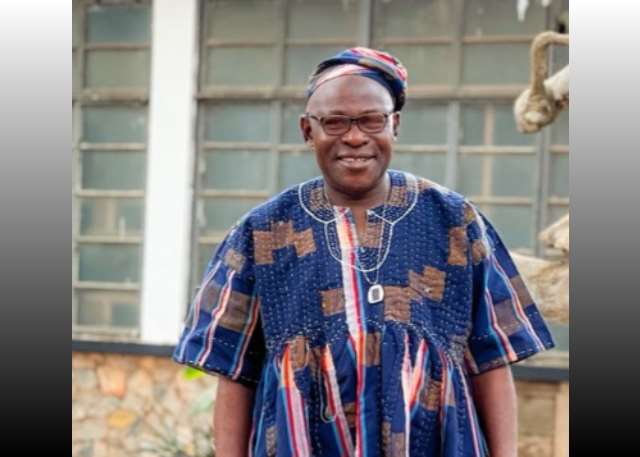
Peter Asiedu, Executive Director of the Nurture Nature Foundation, said the proposal was about exploring how Accra could retain, clean and control water to protect communities while creating opportunities for economic activity and mobility.
Water as a resource
The foundation said flooding becomes more destructive when urban areas lack sufficient pathways for rainwater to drain or be absorbed.
It, therefore, advocates a broader approach involving green spaces, retention basins, protected waterways and rainwater harvesting, alongside improved drainage.
It also believes selected waterways could eventually support limited inland water transport in areas where conditions permit.
Small passenger vessels, canoes or emergency boats could potentially operate along suitable river, lagoon or canal corridors, providing an additional transport option, supporting the movement of goods and assisting emergency response during severe flooding.
The foundation, however, cautioned that navigability cannot be assumed. Water depth, seasonal variations, sedimentation, waste, tides, bridges and surrounding development would have to be assessed before any route is considered.
Any viable transport system would also require docking facilities, access roads, lighting, security, rescue services, trained operators and adequate passenger safety measures.
Integrated flood management
The foundation proposes that water transport should be considered as part of a wider flood-management strategy rather than as a standalone infrastructure project.
It said properly designed water corridors could simultaneously provide controlled drainage, floodwater storage, vegetation, public spaces and, where feasible, limited transport services.
Such corridors would require protection from waste dumping and encroachment, as well as regular maintenance and sediment management to ensure they do not transfer flood risks from one community to another.
The foundation is, therefore, advocating collaboration among engineers, transport planners, environmental experts, social specialists and affected communities.
Evidence before construction
It said feasibility studies should precede major investment, with hydrological modelling, topographical surveys, sediment studies and environmental assessments used to determine the suitability of proposed sites.
Social and economic assessments would also be required to identify potential impacts on residents, businesses and livelihoods, while legal reviews should clarify land ownership, drainage reservations and institutional responsibilities.
According to the foundation, economic assessments should consider not only construction costs but also potential benefits such as reduced flood damage, improved mobility, environmental restoration and job creation.
Transparency and safeguards
The foundation also called for transparency in the planning and implementation of any major water infrastructure project, saying feasibility findings, costs, procurement processes and implementation schedules should be made available for public scrutiny.
It said communities must be informed about potential land requirements, environmental risks and maintenance costs, while independent experts and civil society organisations should have opportunities to review major decisions.
The proposal is intended to complement existing flood-control, drainage, dredging, retention and waste-management initiatives, including interventions in the Odaw Basin.
The foundation said the broader approach should also incorporate community waste interception, improved household permeability, wetland restoration, upstream erosion control, youth employment and research into inland water transport.
Phased implementation
The foundation is proposing a 36-month phased approach, beginning with partnerships, baseline studies, site selection and community consultations.
Pilot interventions could include drain-filter traps, sediment controls, youth maintenance teams, greening projects and public education. Later phases could introduce retention basins, wetland restoration and controlled waterway improvements, alongside feasibility studies for potential water-transport routes.
The foundation said projects found to be technically unsuitable or socially harmful should not proceed.
It also stressed that environmental and social safeguards must be central to any future canal, dredging or retention project to prevent unnecessary displacement and damage to wetlands, fisheries and other ecosystems.
Toward a resilient Accra
The foundation believes blue and green infrastructure could improve not only flood resilience but also the quality and appearance of urban life.
Restored wetlands, tree-lined corridors, public walkways and cleaner waterways could provide environmental, recreational and economic benefits while creating opportunities for local businesses and tourism.
It is, therefore, calling for a national discussion involving government, communities, researchers, businesses, traditional leaders and development partners to determine what is technically feasible, environmentally responsible and socially equitable.
The foundation said the inland water transport concept should neither be dismissed because of its ambition nor pursued without evidence.
It argued that Greater Accra needs immediate improvements in drainage and sanitation, alongside long-term planning that places waterways, wetlands and green spaces at the centre of urban development.
For the foundation, the objective is to move beyond treating flooding as an isolated seasonal disaster and develop a permanent resilience strategy capable of protecting lives, restoring natural systems, creating jobs and potentially providing new forms of urban mobility.
Source: Business & Financial Times: ISSUE: 4618, page 17